
How Senior Home Care Helps Seniors Avoid Malnutrition
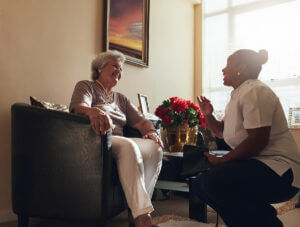
Malnutrition is a common problem for seniors, especially seniors who are living alone.
Some studies indicate as high as 30% of seniors could be chronically malnourished. Senior home care can help your parent avoid becoming malnourished at home.
There are a lot of different factors that contribute to a senior becoming malnourished. Seniors who live alone sometimes don’t want to bother cooking healthy meals when they are going to eat alone. Instead, they eat snacks or order takeout.
Seniors may skip meals or not eat enough because of side effects from their medications, such as nausea or dizziness. They also may not be able to stand comfortably or perform the movements necessary to prepare meals.
Some seniors may also be afraid of spilling things or falling while cooking, so they avoid preparing meals altogether. A senior home care provider can make it much easier for your loved one to get the nutrition they need to stay healthy.
How Senior Home Care Can Help
If you can’t visit your parent every day to share meals with them or cook for them, don’t worry. Senior home care can make sure your parent is eating healthy meals and getting enough nutrition every day by helping in several important ways.
Cook Healthy and Balanced Meals
One of the most important ways a home care provider can help prevent malnutrition is by preparing healthy meals on a regular basis.
Nutritious meals help seniors maintain their strength, energy, and overall health. Proper nutrition also supports the immune system and may help manage chronic health conditions such as diabetes, heart disease, or high blood pressure.
Many seniors eat more consistently when someone else handles the cooking and meal preparation for them.
Prepare Easy-to-Heat Meals and Snacks
Some seniors lose interest in cooking because it feels like too much work, especially when cooking for one person. Senior home care providers can make eating easier by preparing meals, snacks, and leftovers ahead of time.
Single-use containers stored in the refrigerator make meals simple to grab and heat up. This removes the stress of cooking and helps seniors avoid skipping meals because they feel tired or overwhelmed.
Prepared snacks such as cut fruit, yogurt, cheese, crackers, sandwiches, or portioned trail mix can also encourage seniors to eat throughout the day. Easy access to ready-made food is especially helpful for seniors with memory issues or limited mobility.
When healthy food is convenient and visible, seniors are more likely to eat regularly and maintain a healthier diet.
Shop for Nutritious Foods
Grocery shopping becomes difficult for many older adults. Some seniors can no longer drive safely, while others struggle with walking through stores, lifting grocery bags, or remembering what foods they need.
A senior home care provider can help by shopping for healthy groceries and keeping the kitchen stocked with nutritious options. This includes fresh produce, lean proteins, whole grains, dairy products, and easy-to-prepare meals.
Having healthy food available is an important part of preventing malnutrition. Without support, some seniors may rely heavily on canned foods, frozen dinners, or snacks with little nutritional value.
Caregivers can also pay attention to expiration dates and remove spoiled food from the refrigerator or pantry. Keeping fresh and safe food in the home helps reduce health risks and encourages healthier eating habits.
Reorganize the Kitchen for Better Accessibility
Many seniors stop preparing meals because using the kitchen becomes physically difficult or frustrating. Items may be stored too high, too low, or in places that are hard to reach safely.
A senior home care provider can reorganize the kitchen so everyday items are easy to access. Frequently used dishes, snacks, utensils, and cooking supplies can be placed at counter level to reduce bending, stretching, or climbing.
Healthy snacks and prepared meals can also be placed where they are easy to see. Seniors are more likely to eat when food is convenient and accessible.
Simple changes in kitchen organization can improve safety and make seniors feel more comfortable preparing food or heating meals on their own.
Monitor Eating Habits and Appetite Changes
Malnutrition often develops slowly, and family members may not notice the warning signs right away. A senior home care provider who sees your parent regularly may recognize changes in appetite or eating habits early.
For example, they may notice untouched food, sudden weight loss, lack of interest in meals, or signs of dehydration. Some seniors eat less because of medication side effects, dental problems, depression, or difficulty swallowing.
Caregivers can communicate these concerns to family members and encourage seniors to eat more regularly. Catching nutrition problems early can help prevent serious health complications later.
Create a More Enjoyable Mealtime Experience
Many seniors who live alone lose interest in eating because meals no longer feel enjoyable. Eating alone every day can lead to loneliness, boredom, and skipped meals.
A senior home care provider can make mealtimes more pleasant by sitting with seniors while they eat, starting conversations, and creating a calmer environment during meals. Even simple companionship can encourage better eating habits.
Caregivers may also prepare favorite meals, introduce variety into the menu, or help seniors maintain regular meal schedules. These small efforts can make food more appealing and encourage healthier routines.
If you or someone you know needs Senior Home Care in Gulf Shores, AL, please contact the friendly caregivers at Hughes Home Care.
We provide quality and affordable care for your elderly loved ones in our community. Serving Mobile & Baldwin County.
Call us today at (251) 517-9901

He has three teenage children and are actively involved in their church and community – James coach’s youth football, basketball and baseball and serves at 3 Circle Church. He is a member of the Fairhope Youth Football Board and the Rock Creek POA Board.
It is his passion and commitment to providing quality and responsive service that has made their company the fastest growing home care agency in South Alabama.
He believes that being an independently owned and operated company gives him the flexibility to manage his business in a way that better serves their clients.
He understands that you have a choice of care providers and he will do his utmost to earn your trust.
- Helping Seniors Avoid Loneliness and Depression - September 16, 2026
- Seven Causes of Hearing Loss for Older Adults - September 2, 2026
- Empowering Seniors to Speak Up About Their Health - August 28, 2026