
Helping Seniors Recover After Knee or Hip Replacement
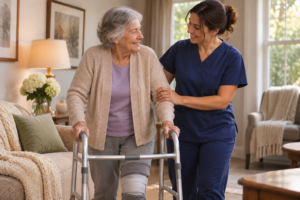
When an older person has knee or hip replacement surgery, the prospect of returning home, especially if they live alone, after the procedure can be overwhelming. The good news is that elder care providers offer much-needed support and companionship, ensuring seniors get the care and attention they need for a full recovery.
What Elder Care Offers
Elder care provides a wide range of non-medical support services specifically designed for older people aging in place. These services could include assistance with everyday tasks like bathing, dressing, and cooking meals, as well as companionship, light housekeeping, reminders to take medications, and rides to follow-up appointments.
Supporting Recovery From the Inside Out
After a hip or knee replacement, seniors need to spend weeks recovering. During that time, they are told to avoid certain movements, keep weight off the joint, use assistive devices, and complete recommended exercises. These instructions can be difficult to follow on a daily basis, however, particularly for seniors who live alone.
However, seniors with an elder care provider gain valuable support, such as safe transfers in and out of bed, on and off the toilet, and in and out of a chair. Such support lowers the risk of falls that could completely undo the progress of surgery. These caregivers also make sure that the senior gets to their physical therapy sessions on time, that the home is free of obstacles that could cause them to trip, and that meals are prepared that help them heal.
In particular, consistency can change the game for recovery. Seniors who go to therapy and do their exercises every day heal faster and get back more of their abilities than those who skip sessions or make up their own exercises.
Addressing the Emotional Side of Recovery
Healing physically is only one part of the picture. Seniors who have had joint replacement surgery often feel frustrated, anxious, and lonely while they are healing, especially if they live alone. However, it can be confusing and frustrating to suddenly need to depend on other people. Professional caregivers understand both sides of the equation, which is why they give each senior grace as they acclimate to the help offered and having someone in their home.
As a result of their patience, seniors begin to feel more comfortable and even learn to look forward to their caregiver’s arrival each day. This acceptance of companionship is more important than one might think, as studies have shown that older people who have social connections heal faster, are less likely to be depressed, and are more likely to stay in their homes for a long time.
The Link Between Medical and Daily Life
One of the most important but often overlooked parts of elder care is communication. Caregivers who spend time with a senior every day are often the first to notice small changes, like more pain, confusion, or a new reluctance to move. They can then tell family members or medical professionals about these changes before they become big problems.
For seniors aging in place after knee or hip replacement, the strongest support system combines medical expertise with everyday care. Physical therapists rebuild strength. Surgeons monitor healing. And elder care providers ensure that the hours in between are safe, nourishing, and beneficial for their overall health and well-being.
If you or someone you know needs Elder Care at Home in Foley, AL, please contact the friendly caregivers at Hughes Home Care. We provide quality and affordable care for your elderly loved ones in our community.
Serving Mobile & Baldwin County. Call us today at (251) 517-9901

He has three teenage children and are actively involved in their church and community – James coach’s youth football, basketball and baseball and serves at 3 Circle Church. He is a member of the Fairhope Youth Football Board and the Rock Creek POA Board.
It is his passion and commitment to providing quality and responsive service that has made their company the fastest growing home care agency in South Alabama.
He believes that being an independently owned and operated company gives him the flexibility to manage his business in a way that better serves their clients.
He understands that you have a choice of care providers and he will do his utmost to earn your trust.
- Helping Seniors Recover After Knee or Hip Replacement - November 5, 2026
- Signs Of Malnutrition In Seniors - October 21, 2026
- Why Seniors May Need Help Keeping Up with Denture and Daily Mouth Care - October 7, 2026